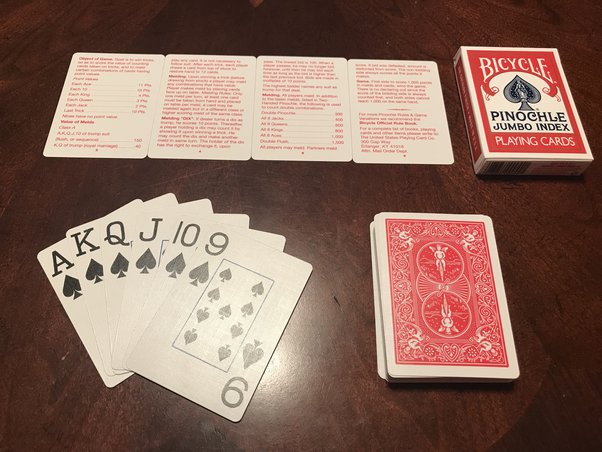



Card games are easy to start but difficult to master. For beginners, understanding a few core rules and principles can make gameplay smoother, more enjoyable, and far less confusing. While each card game has its own mechanics, certain rules apply across most formats and help new players build confidence quickly.
Understand the Deck You Are Using
Before playing any card game, it is essential to know the type of deck involved.
Most traditional card games use a standard 52-card deck, which includes:
-
Four suits: Hearts, Diamonds, Clubs, Spades
-
Cards numbered from 2 to 10
-
Face cards: Jack, Queen, King
-
Ace, which may be high or low depending on the game
Some games may include jokers or use custom decks, so always confirm the deck structure beforehand.
Learn the Objective of the Game First
Every card game has a clear winning condition. Beginners often make mistakes by focusing on individual moves without understanding the overall goal.
Common objectives include:
-
Scoring the highest points
-
Getting rid of all cards first
-
Forming specific card combinations
-
Defeating opponents through strategy
Knowing the objective helps you make smarter decisions from the very first hand.
Follow Turn Order and Gameplay Flow
Card games usually follow a structured turn order, which ensures fairness.
Key points to remember:
-
Play only when it is your turn
-
Draw and discard cards in the correct sequence
-
Do not skip mandatory actions
Breaking turn order is one of the most common beginner mistakes and can disrupt the game.
Know When and How to Draw Cards
Most card games require players to draw cards under specific conditions.
Beginners should always clarify:
-
When a card must be drawn
-
How many cards can be drawn
-
Whether drawing is optional or mandatory
Drawing at the wrong time can result in penalties or missed opportunities.
Understand Valid Plays and Legal Moves
Not every card can be played at any time. Most games have rules defining valid moves.
Examples include:
-
Matching suit or number
-
Playing only certain cards during specific rounds
-
Following suit when required
Playing an invalid card, even accidentally, can result in losing a turn or reshuffling the play.
Pay Attention to Scoring Rules
Scoring systems differ widely between card games. Beginners often underestimate their importance.
You should know:
-
How points are earned or lost
-
Which cards carry special values
-
When scores are calculated
Keeping track of scoring helps you understand who is winning and why.
Respect Table Etiquette and Fair Play
Good manners are just as important as knowing the rules.
Basic card game etiquette includes:
-
Keeping your cards hidden
-
Avoiding advice unless asked
-
Playing honestly without cheating
-
Being patient with other beginners
Respectful play creates a better experience for everyone at the table.
Ask Questions and Clarify Rules Early
No beginner is expected to know everything. Asking questions before the game starts is encouraged.
Clarify:
-
House rules
-
Special card actions
-
Penalties for mistakes
Most experienced players are happy to help newcomers learn.
Practice with Simple Games First
Starting with complex card games can feel overwhelming. Beginners should practice with simple, fast-paced games to build familiarity with basic mechanics like drawing, discarding, and turn rotation.
Confidence grows naturally with repeated play.
Why Knowing the Basics Matters
Understanding these foundational rules allows beginners to:
-
Enjoy the game without confusion
-
Avoid unnecessary penalties
-
Learn advanced strategies faster
-
Feel comfortable joining new games
Strong basics make every card game more fun and rewarding.
Frequently Asked Questions (FAQ)
1. Do all card games use the same rules?
No, each card game has unique rules, but many share common principles like turn order and valid plays.
2. Is it okay to make mistakes as a beginner?
Yes, mistakes are normal and expected. Most games allow beginners some flexibility while learning.
3. Should beginners memorize all rules before playing?
Understanding the main objective and basic flow is enough. Advanced rules can be learned during gameplay.
4. What should I do if I forget a rule mid-game?
Pause briefly and ask for clarification to avoid incorrect plays.
5. Are house rules common in card games?
Yes, many groups use house rules, so always ask before starting a game.
6. How can beginners improve quickly?
Playing regularly, observing experienced players, and practicing simple games help improve skills faster.
7. Can beginners play competitive card games?
Yes, but starting casually is recommended before entering competitive environments.