




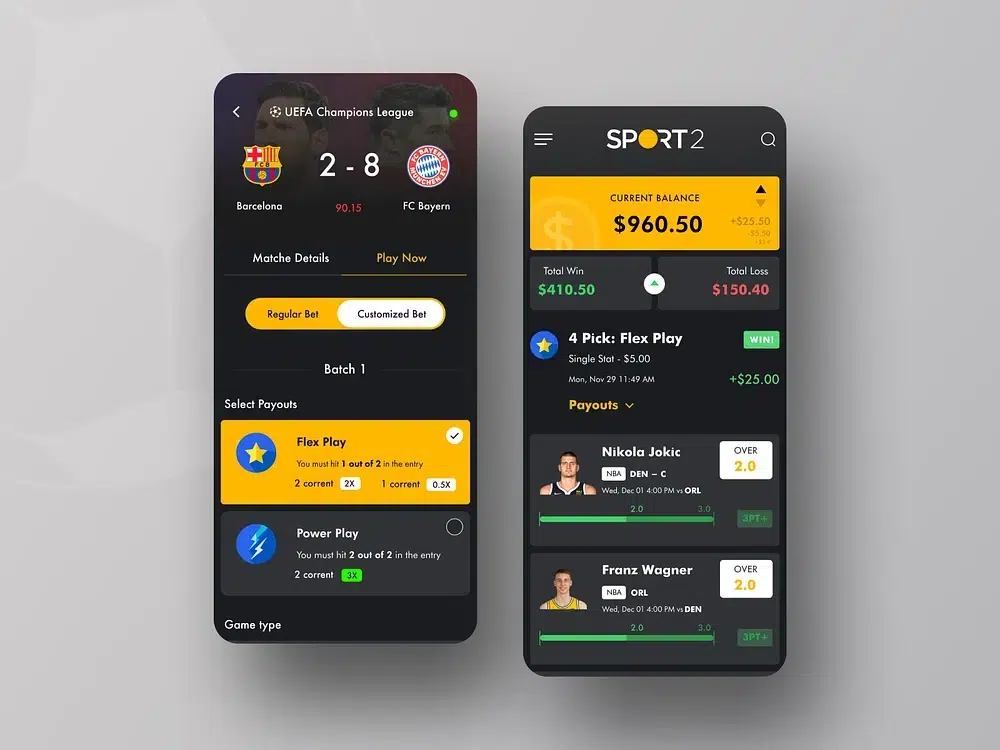
Online gambling has transformed how people engage with casino games, sports betting, and competitive wagering. With smartphones, secure payment systems, and real-time platforms, gambling is no longer limited to physical casinos. This guide explores what online gambling is, how it operates, its advantages and drawbacks, and how players can participate responsibly.
What Is Online Gambling?
Online gambling refers to placing bets or playing games of chance over the internet using websites or mobile applications. These platforms simulate traditional gambling experiences while adding digital convenience and global access.
Common formats include:
-
Online casinos (slots, roulette, blackjack, baccarat)
-
Sports betting (football, cricket, basketball, esports)
-
Poker rooms (cash games and tournaments)
-
Lottery and bingo platforms
How Online Gambling Works
Online gambling platforms operate using licensed software providers and regulated systems designed to ensure fairness and security.
Key components include:
-
Random Number Generators (RNGs) to guarantee unbiased game outcomes
-
User accounts for deposits, withdrawals, and bet tracking
-
Payment gateways supporting cards, e-wallets, and cryptocurrencies
-
Verification processes to comply with age and identity regulations
Popular Types of Online Gambling
Online Casino Games
Casino platforms offer hundreds of games with varying odds and payout structures. Slots dominate due to ease of play, while table games attract strategic players.
Sports Betting
Sports betting allows users to wager on real-world events, including:
-
Match outcomes
-
Point spreads
-
Live, in-play betting
Online Poker
Poker blends skill and chance, with players competing against each other rather than the house. Tournaments and cash games operate around the clock.
Live Dealer Games
Live streaming technology connects players with real dealers, offering a more immersive and transparent experience.
Advantages of Online Gambling
Online gambling continues to grow due to several benefits:
-
Convenience: Play anytime, anywhere
-
Game variety: Thousands of options on a single platform
-
Bonuses and promotions: Welcome bonuses, free spins, loyalty rewards
-
Lower minimum bets: Suitable for casual players
Risks and Challenges
Despite its appeal, online gambling carries real risks.
Potential downsides include:
-
Addiction and compulsive behavior
-
Financial losses if limits are not controlled
-
Unregulated platforms operating without proper licenses
-
Data security threats on unreliable websites
Understanding these risks is essential before participating.
Legal Status of Online Gambling
Online gambling laws vary widely by country and region. Some jurisdictions allow fully regulated platforms, while others restrict or ban online betting entirely.
Before playing, users should:
-
Verify local gambling laws
-
Choose licensed and regulated operators
-
Understand tax obligations related to winnings
Responsible Gambling Practices
Responsible gambling focuses on control, awareness, and balance.
Best practices include:
-
Setting deposit and time limits
-
Never chasing losses
-
Gambling with entertainment money only
-
Using self-exclusion and cooling-off tools
-
Seeking professional help if gambling becomes stressful
The Future of Online Gambling
The industry continues to evolve with emerging technologies such as:
-
Artificial intelligence for fraud detection and personalization
-
Virtual reality casinos for immersive gameplay
-
Blockchain-based platforms for transparency and fast payouts
-
Mobile-first innovations catering to app-based users
As technology advances, regulation and player protection are expected to improve alongside innovation.
Frequently Asked Questions (FAQs)
Is online gambling safe?
Online gambling can be safe when using licensed platforms that apply encryption, fair gaming systems, and responsible gambling tools.
Can I make a living from online gambling?
While some skilled players earn consistently, most users should treat online gambling as entertainment rather than income.
What payment methods are commonly accepted?
Most platforms accept credit/debit cards, e-wallets, bank transfers, and sometimes cryptocurrencies.
How do online casinos ensure fair play?
Fairness is maintained through certified RNG software and regular audits by independent testing agencies.
Are winnings from online gambling taxable?
Tax rules vary by country. Players should check local regulations regarding gambling income.
Can I play online gambling games for free?
Many platforms offer demo or free-play modes, allowing users to practice without risking real money.
What should I do if gambling becomes a problem?
Seek support from professional counseling services or responsible gambling organizations and use self-exclusion tools immediately.


